


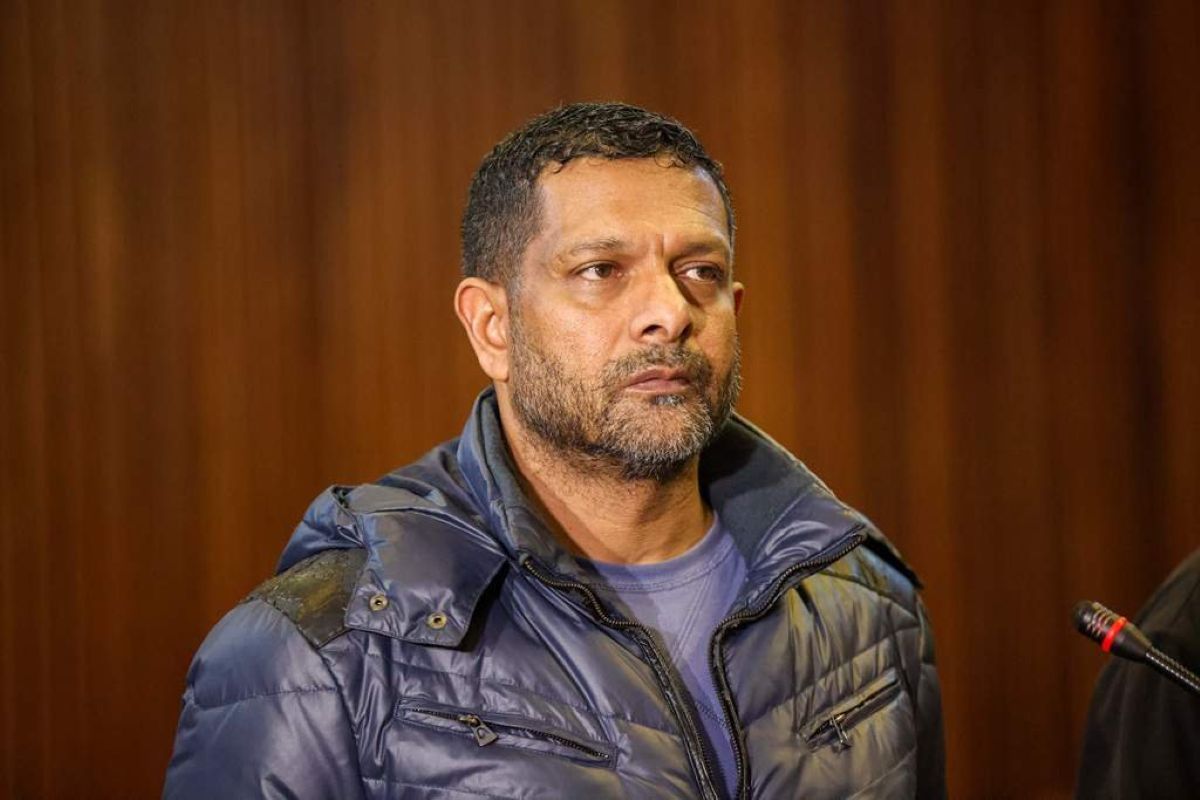
Khan judgment traces how a senior SAPS officer’s missed disciplinary hearing became a defining Labour Court ruling on unfinished workplace discipline
- Major General Feroz Khan was placed on unpaid suspension after missing a fast-tracked disciplinary hearing.
- POPCRU asked the Labour Court to freeze the SAPS process before it could continue.
- Judge Connie Prinsloo ruled the court could not intervene while the disciplinary process remained incomplete.
When Major General Feroz Khan was shot in June, the SAPS Crime Intelligence chief spent weeks recovering in hospital. Two months later, his absence from an expedited disciplinary hearing set in motion a legal battle that ended with a Labour Court judgment defining the limits of judicial intervention in unfinished disciplinary proceedings.
The Johannesburg Labour Court dismissed POPCRU’s urgent application to halt the SAPS process, with Judge Connie Prinsloo ruling that the court lacked jurisdiction to interrupt a disciplinary hearing that had not yet been completed.
The dispute began after Khan was discharged from hospital in July. SAPS served him with a notice to appear before an expedited disciplinary inquiry under Regulation 9 of the SAPS Discipline Regulations, with proceedings scheduled for 12 August.
Khan’s disciplinary battle unfolded alongside the Madlanga Commission, where the suspended deputy head of SAPS Crime Intelligence had been subpoenaed to testify from 1 July over what the commission described as “very serious allegations”.
Witnesses alleged that Khan interfered in the 2021 Aeroton cocaine seizure and was improperly cleared in an earlier SAPS disciplinary process, allegations he has consistently denied. After he was shot in an apparent assassination attempt in Houghton on 28 June, the commission postponed his testimony and proceeded to hear evidence against him in his absence, including WhatsApp messages, financial records and allegations of unexplained wealth.
Khan has since been directed to testify before the commission on 28 September, subject to an independent medical assessment.
Although POPCRU officials and Khan’s legal representatives attended the SAPS disciplinary hearing, Khan did not. His representatives argued that he remained medically incapacitated and applied for a postponement until his condition could be reassessed. They also sought permission for legal representation.
The presiding officer refused both applications and directed that Khan attend the inquiry the following day, including virtually if necessary. Khan again failed to appear.
Regulation 9 changed everything
On 17 August, the presiding officer invoked Regulation 9(7), placing Khan on suspension without remuneration and triggering a ten working day period within which he could request that the disciplinary proceedings be reconvened. The regulations provide that an employee who fails to take that step may be deemed discharged from SAPS.
Rather than reconvening the hearing, POPCRU approached the Labour Court on an urgent basis seeking to suspend the operation of Regulation 9, restore Khan’s remuneration and prevent SAPS from continuing with the disciplinary process pending a review.
Court rejects POPCRU’s approach
Judge Prinsloo rejected the application, holding that POPCRU was asking the Labour Court to interrupt an incomplete disciplinary process. The judge described the union’s approach as “a classic case of disavowal”, saying it was an attempt to bypass the statutory dispute resolution procedures by framing a labour dispute as a contractual claim.
The court held that “the Labour Court does not have any general jurisdiction to intervene” in incomplete disciplinary proceedings unless legislation specifically grants that power. Judge Prinsloo added that the application sought to stop an ongoing disciplinary process rather than challenge its outcome through the labour law mechanisms created for that purpose.
On urgency, Judge Prinsloo found that Khan had another remedy available under Regulation 9 itself. The regulations allowed him to reconvene the disciplinary hearing, after which the presiding officer would have to consider the reasons for his absence and decide whether the unpaid suspension should be confirmed or set aside.
Judge Prinsloo concluded that POPCRU chose urgent litigation instead of using that process. The application was struck off the roll for lack of jurisdiction, alternatively for lack of urgency, and the union was ordered to pay SAPS’s legal costs.
Get your news on the go. Click here to follow the Conviction WhatsApp channel.
