


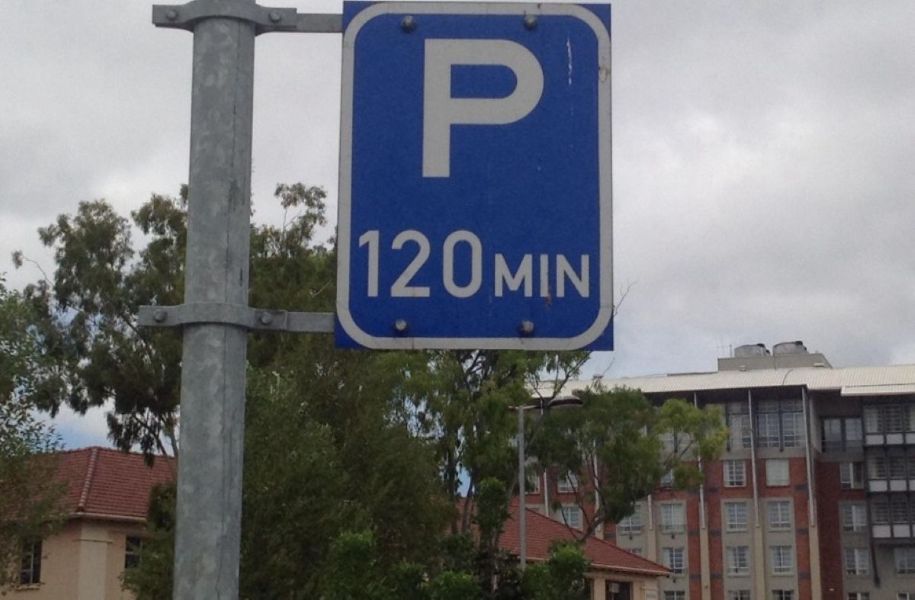
- The City of Cape Town secured an eviction order against Gadija Vallie, who operated Dubhe Secure Parking from municipal premises despite substantial rental arrears.
- The judge found that the lease had been lawfully cancelled and rejected arguments that the city acted unfairly or that the disputed debt prevented eviction.
- Vallie and those occupying the property under her must vacate by 8pm on 20 November 2026 or face eviction by the sheriff, with legal costs awarded against them on an attorney-and-client scale.
A Cape Town parking operator has been ordered to vacate city-owned commercial premises at the corner of Hertzog Boulevard and DF Malan Street after the High Court in the Western Cape confirmed the cancellation of her lease over substantial unpaid rent.
Judge P van Zyl ruled on 20 October 2026 that the City of Cape Town had lawfully terminated its lease agreement with Gadija Vallie, trading as Dubhe Secure Parking. The judge found that Vallie had failed to establish a legal basis for remaining on the property after the lease was cancelled.
Rental arrears over R4.7 million
The City and Vallie entered into a written lease agreement in 2019 for premises in Roggebaai, Cape Town, which she used exclusively for a commercial parking business. The initial lease period ended on 31 May 2022, after which Vallie continued occupying the property on a month-to-month basis.
According to the City, Vallie owed R4,782,780.14 in rental arrears by November 2023. The City sent her a formal demand on 9 November 2023, but she failed to settle the outstanding amount.
The City subsequently instituted debt collection proceedings in the magistrates’ court on 5 April 2024. The last rental payment received was R150,000 on 8 April 2024, despite an undertaking by Vallie to pay more than R1.6 million by the end of that month.
On 15 July 2024, the City issued a notice giving Vallie 20 business days to remedy the breach. When she failed to comply, the City cancelled the lease on 26 August 2024 and required the occupants to vacate by 30 September 2024. They remained on the premises, with the arrears increasing to R6,391,698.05 by 29 January 2025.
Judge rejects challenge to lease cancellation
Vallie admitted that she had fallen behind on rental payments but disputed the amount owed. She also argued that the City had acted unfairly and failed to accommodate her circumstances, including financial difficulties associated with the COVID-19 pandemic.
Judge Van Zyl found that the lease expressly allowed cancellation for non-payment of rent and that the City had followed the prescribed notice procedure. The judge also rejected an argument raised by Vallie’s counsel shortly before the hearing that the cancellation notice was invalid. The judge said the issue had not been properly raised in the answering affidavit, leaving the City without an opportunity to respond to the allegation in its papers.
The judgment emphasised that commercial evictions are governed by the applicable lease terms and common-law principles, rather than the fairness considerations applicable to residential evictions under the Prevention of Illegal Eviction from and Unlawful Occupation of Land Act.
“The parties are bound by the contractual terms they agreed upon, and the alleged extra-contractual unfair conduct is irrelevant,” Judge Van Zyl said. The judge added that there was nothing unfair about the cancellation in the circumstances.
COVID-19 hardship and disputed debt do not prevent eviction
Vallie argued that the City should have granted her a moratorium on rental payments because of financial hardship associated with the pandemic. She also relied on regulations introduced during the national lockdown.
The judge found that the City had no contractual obligation to grant a rental moratorium. The relevant regulations concerning the suspension of evictions during the lockdown applied to residential properties and did not establish a general prohibition on commercial evictions.
The judge noted that Vallie had requested a rental moratorium in December 2022, after the lockdown period, and that she had already fallen into arrears before the lockdown. The dispute over the precise amount owed also did not prevent the eviction order. The judge said the parties’ disagreement about the outstanding balance was being dealt with separately in the magistrates’ court.
“It is common cause that the first respondent is in arrears in a considerable amount,” the judgment states. The judge found that the admitted breach entitled the city to cancel the lease, irrespective of the ongoing dispute over the amount.
Vallie further relied on a debt arrangement concluded in August 2022. However, the judge found that the arrangement was temporary, giving her six months from October 2022 to address the arrears. She failed to meet the arrangement’s requirements, and it did not provide a continuing right to occupy the property.
Eviction order and legal costs
Judge Van Zyl concluded that Vallie had failed to establish a valid lease, statutory protection or any other enforceable right that would entitle her to remain on the premises.
The court confirmed the termination of the lease and ordered Vallie and those occupying under her to vacate the property and restore possession to the City by 8pm on Friday, 20 November 2026. If they fail to comply, the sheriff may execute the eviction order and hand vacant possession to the city.
The respondents were also ordered to pay the city’s legal costs on an attorney-and-client scale. The order includes costs arising from withdrawn applications and the unsuccessful procedural challenge to the late filing of the city’s replying affidavit.
The judge found that the respondents had pursued technical objections and interlocutory applications that delayed the final determination of the matter while they continued operating from the property without paying rent or municipal charges. The City’s eviction application was accordingly granted.
Get your news on the go. Click here to follow the Conviction WhatsApp channel.
