


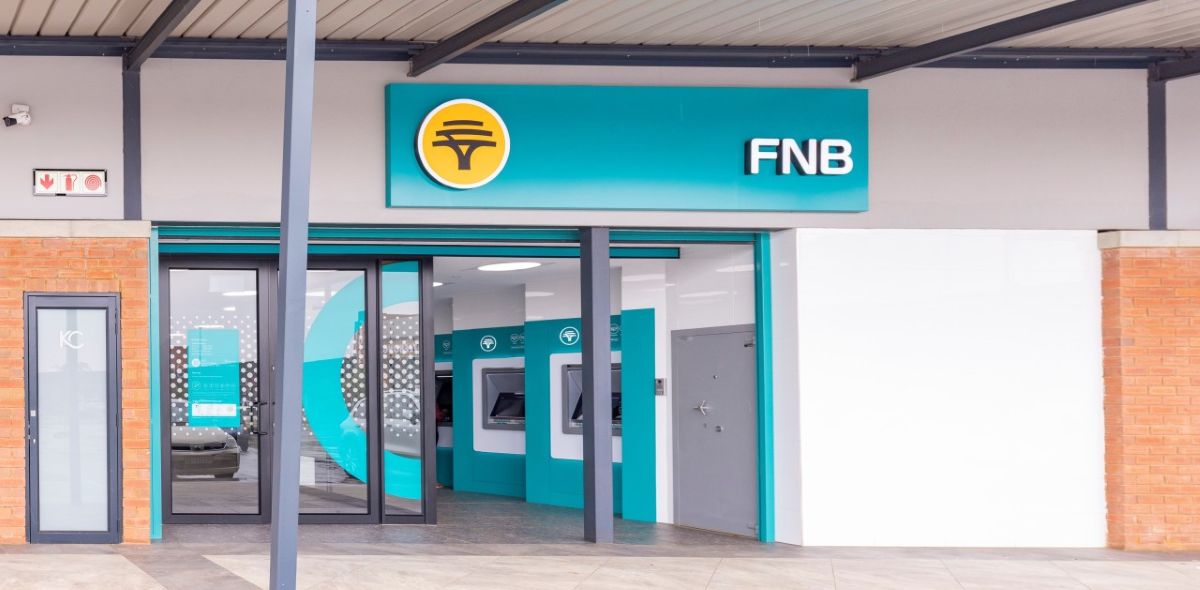
- Madise lost R15,100 through fraudulent withdrawals after her handbag, which contained her mobile phone, was stolen from her car.
- FNB first offered her R6,000, then raised the offer to R10,000, but she stood firm on wanting a full refund.
- The National Consumer Tribunal found there was no breach of the Consumer Protection Act.
Sophonia Mmatlhapi Madise lost R15,100 from her FNB account after her handbag, which held her mobile phone, was stolen from her car. She later tried to recover the full amount from FNB, arguing the bank should have identified the fraudulent activity and stopped the withdrawals.
Madise, an FNB customer for more than 18 years, told the National Consumer Tribunal this was her first experience with fraud. She turned down two compensation offers, saying her long history with the bank and the nature of the loss meant she deserved full reimbursement.
Fraudulent withdrawals continued overnight
Madise’s handbag was stolen on 17 May 2024. Among her belongings was the mobile phone she used for FNB’s banking services.
According to a report by the National Financial Ombud Scheme in South Africa, the fraudulent withdrawals from her account happened between about 6.45pm on 17 May and 1.38am on 18 May 2024. In total, the transactions added up to R15,100.
At the hearing, Madise confirmed that she only notified FNB of the theft and the fraudulent transactions after the last withdrawal had happened. She couldn’t say how the fraudster got her personalised code to access her bank account through the mobile banking app.
Customer rejects two compensation offers
FNB first offered Madise a goodwill payment of R6,000. When she escalated her complaint to the National Financial Ombud Scheme, the bank increased its offer to R10,000.
Madise turned down both offers, insisting she should get back the full R15,100 taken from her account. She argued that FNB should have picked up on the fraudulent transactions and stopped them from going through.
She then took her complaint to the National Consumer Commission (NCC), which issued a notice of non-referral on 9 May 2025. The commission found she hadn’t provided facts that, even if true, would justify a remedy under the Consumer Protection Act.
Madise then approached the Tribunal in terms of Section 75(1)(b) of the Act. The Tribunal permitted her to proceed with her case on 11 August 2026.
Tribunal examines bank’s service obligations
The Tribunal considered whether FNB had failed to meet its obligations under Section 54(1) of the Consumer Protection Act, which gives consumers the right to expect services to be performed in a way that meets a reasonable standard of quality.
The Tribunal took Madise’s complaint to mean the bank should have spotted the fraudulent transactions and stopped the withdrawals. However, it pointed out that she only reported the theft after the transactions had been completed and couldn’t say how the fraudster had got her personalised banking access code.
Given these circumstances, the Tribunal decided it couldn’t find any breach of the Consumer Protection Act. It dismissed the case in a judgment dated 5 October 2026, and there was no order as to costs.
Neither FNB nor the NCC filed an affidavit or attended the hearing on 29 September 2026, so the matter went ahead without opposition.
Get your news on the go. Click here to follow the Conviction WhatsApp channel.
