


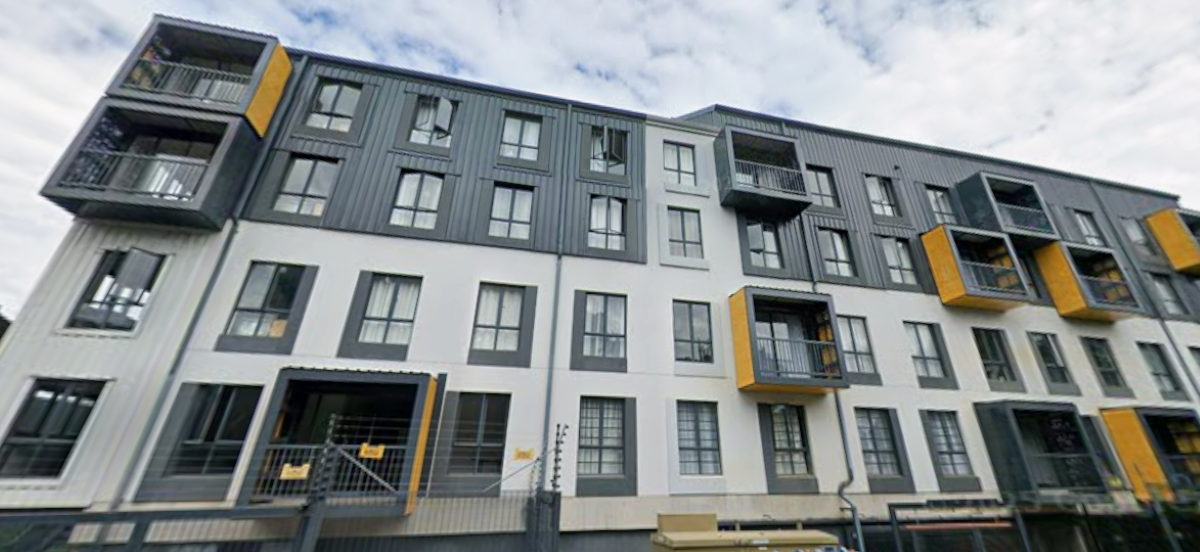
- Auckland Park Campus Apartments disputed more than R14 million in electricity, water and sewerage charges, citing incorrect tariffs and inflated unit allocations.
- Skyprops 54 successfully challenged a R214 916.48 water claim linked to a previous property owner, arguing that the debt had prescribed.
- Both matters resulted in punitive costs orders against the City, with judges criticising its handling of municipal accounts and litigation.
Two separate legal disputes have revealed serious problems in the City of Johannesburg’s handling of municipal accounts. Property owners have challenged incorrect billing, historical water charges, and the municipality’s ongoing failure to resolve disputes in a reasonable time.
In one case, the owner of a 982-room student accommodation development in Auckland Park disputed more than R14 million in electricity, water, and sewerage charges. In another, a property company succeeded in resisting a R214 916.48 water claim that the City tried to recover for consumption dating back to 2017.
Both judgments were handed down on 17 November 2026 in the High Court in Johannesburg, with the municipality ordered to pay legal costs on the punitive attorney-and-client scale.
Student accommodation owner challenges R14m in municipal charges
In Auckland Park Campus Apartments v City of Johannesburg Metropolitan Municipality, Judge A Maier-Frawley heard a dispute about how the municipality billed a student accommodation development in Auckland Park.
The property was bought as a vacant stand and then developed into student housing. Construction finished in February 2019, and the City issued an occupation certificate on 14 March 2019, approving its use for residential purposes.
The development includes 982 rooms, some of which share communal kitchens and bathrooms. After meetings with the City’s Town Planning Department, 202 residential units were set for billing purposes. Despite the property’s residential zoning and approved use, the owner said the municipality kept charging commercial tariffs for electricity and, at times, for water.
The dispute also involved the number of units used to calculate water and sewerage charges. Between March 2021 and March 2022, the City billed the property for 704 residential units instead of the agreed 202. The owner also complained about being double-billed during another period.
According to the owner’s calculations, there was an overcharge of R1 415 822.93 for electricity and R12 637 200.99 for water and sewerage as of May 2023.
The City opposed the application, arguing that the owner should have formally applied for a change from business to residential tariffs after construction was completed. It maintained that residential tariffs could not be applied retroactively without written applications and municipal approval.
The municipality also claimed that an acknowledgement of debt signed by the owner amounted to an admission of liability, making the application academic.
However, the owner explained that the acknowledgement had been signed under protest and with full reservation of rights. It only related to an undisputed property rates balance and was intended to prevent municipal service disconnections.
Unanswered complaints and missed court deadlines
The property owner first lodged a billing query on 5 July 2023 under the City’s Credit Control and Debt Collection Policy. After receiving no response, the owner sent a letter of demand in October 2023, followed by an appeal in November. The application was then filed in April 2024.
The City only filed its notice of intention to oppose on 4 February 2025, just one day before the matter was due to be heard on the unopposed roll. On 5 February 2025, Judge Adams ordered the municipality to file its answering affidavit within 15 days. The City did not comply and eventually delivered the affidavit on 12 June 2025, which was 70 court days after the deadline.
The City asked for condonation, saying its representatives needed to consult before responding to the application. Judge Maier-Frawley rejected that explanation, calling it “woefully inadequate”. The judge said the municipality failed to explain the full period of delay or why it did not seek condonation earlier.
The judgment stressed that government institutions are not exempt from following court rules and orders. “An organ of state has a duty to respect and give effect to a judgment or court order, even if it silently does not agree therewith,” the judge said.
On the substance of the dispute, the judge found that the City had not provided a convincing explanation for charging the property commercial tariffs despite its residential use. The municipality had issued an occupation certificate for residential use and had records showing the property’s residential status. Its own records also showed that a residential meter had been installed after an application for the change in infrastructure.
The judgment rejected the City’s attempt to classify the development as an electricity reseller without evidence that the owner was reselling electricity for profit. The judge also pointed out that debts arising from water and electricity consumption generally prescribe after three years. Issuing invoices does not interrupt prescription, nor does payment of undisputed amounts by a consumer who has formally disputed other charges.
The court found that the property owner was entitled to have its municipal account corrected and to be protected from service disconnections while the dispute remained unresolved.
Punitive costs and further orders
The judge criticised the municipality’s conduct throughout the proceedings, including its failure to comply with court orders and deadlines and its failure to file heads of argument on time. Even after being allowed to file heads of argument following the reservation of judgment, the City missed the deadline without giving an explanation.
Describing the municipality’s conduct as showing profound disrespect to the court, Judge Maier-Frawley found that a punitive costs order was justified. The court dismissed the City’s condonation application and ordered it to reverse all electricity charges billed from 27 November 2020.
The municipality was told to reissue electricity charges for the three years before the judgment, using the residential tariff and taking the 202 units into account. It was also ordered to reverse water and sewerage charges from March 2019 and rebill them using actual readings from the residential meter, the residential tariff and the correct allocation of 202 units.
The City must reverse interest, VAT and legal fees relating to the reversed charges, and provide an updated statement reflecting the corrections. Until the billing dispute is settled, the municipality is not allowed to terminate, restrict, or threaten to terminate or restrict municipal services because of outstanding amounts on the disputed account. The City was also ordered to pay the owner’s legal costs on the attorney-and-client scale.
Historic water debt and prescription: Skyprops 54’s case
In the second case, Skyprops 54 challenged a water bill of R214 916.48 that the City attempted to recover for consumption between 2017 and 2019, when the property was owned by a previous owner. The City argued the debt had transferred to Skyprops when it bought the property.
Skyprops said the debt had prescribed and was no longer collectable, and that it could not be held liable for historic charges incurred by the former owner. The court agreed, finding that the City had not taken any steps to interrupt prescription, such as issuing a summons or obtaining a judgment within three years.
The judge ruled that the City could not recover the historic water debt from Skyprops and ordered the municipality to pay Skyprops’ legal costs on the punitive scale.
Get your news on the go. Click here to follow the Conviction WhatsApp channel.
