


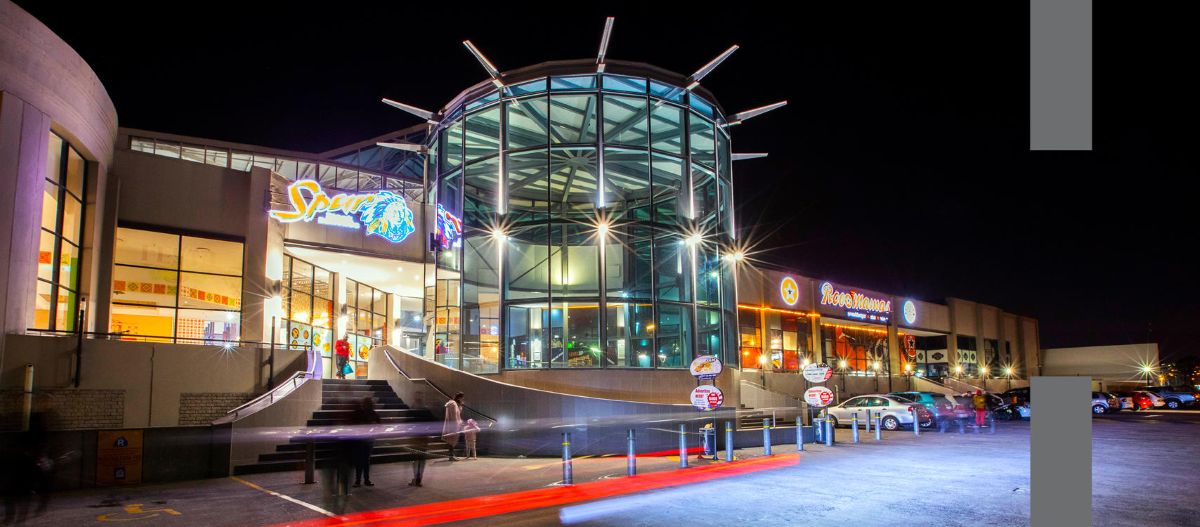
- The mall’s owners, Broll Property Group and Bidvest Cleaning, were held jointly and severally liable for 100 percent of the damages the shopper could prove.
- The cleaning contractor failed to establish that an adequate system for detecting and removing spillages was operating on the day of the incident.
- The shopper was not contributorily negligent for failing to watch the floor while walking through the busy shopping mall.
A shopper who slipped on melted ice cream at N1 City Mall was entitled to expect a safe walkway, rather than having to watch the floor for hazards that should have been detected and removed by those responsible for maintaining the premises.
The Full Bench of the High Court in the Western Cape found the mall’s owners, managing agent Broll Property Group and cleaning contractor Bidvest Cleaning jointly and severally liable for the damages Esther Marilyn Louw could prove following her fall on 1 May 2014.
In a judgment delivered on 28 October 2026, Judge V Saldanha, with Judge D Kusevitsky and Judge D Davis concurring, upheld Louw’s appeal against a finding that she had been 20 percent contributorily negligent. The appeal also challenged the trial court’s decision to absolve Bidvest of liability.
Louw fell during lunchtime on Workers’ Day, when the mall was busy ahead of an extended long weekend. She had been shopping with her husband and was walking near Marcel’s Frozen Yoghurt, towards Truworths, when she stepped into what appeared to be melted ice cream and fell on her back.
She described the substance as pink and white, with a strawberry smell, and said it covered much of her lower legs. She claimed to have suffered serious neck and back injuries. Louw argued that the defendants had failed to keep the mall’s floors reasonably clean and safe, detect and remove the spillage promptly, and warn shoppers of the hazard.
The defendants denied liability and argued that she had failed to keep a proper lookout and take reasonable care for her own safety. The trial court held the mall’s owners and Broll liable but reduced their responsibility for damages and costs to 80 percent because of its finding of contributory negligence. Bidvest, the cleaning contractor, was absolved of liability.
Cleaning system inadequate for a public holiday
The appeal focused on whether the cleaning contractor owed shoppers a legal duty, whether the cleaning arrangements were adequate and whether Louw could reasonably have been expected to avoid the spillage.
The cleaning contract provided for 14 day-shift cleaners, with three allocated to the ground floor. Their responsibilities included sweeping floors and removing spillages. However, the system relied largely on cleaners encountering hazards during routine rounds or being alerted by other staff or members of the public.
The evidence showed that completing a cleaning round could take between 30 and 40 minutes. The mall was particularly busy on the public holiday, but no adequate increase in cleaning staff had been arranged.
Judge Saldanha found that the informal spillage-detection arrangements were insufficient to ensure hazards were identified and removed promptly under those conditions. The court also considered the absence of reliable records showing which cleaners had been on duty, whether they had been supervised and whether the cleaning system was operating effectively.
Bidvest’s regional manager, Vassil Vassilev, could not confirm what had happened on the day because he was not present. The cleaning manager was on leave, and the evidence did not establish who had assumed responsibility for supervising the staff. The mall owners’ witness, David Falck, likewise acknowledged that they had no documents recording the cleaning staff’s operations on the day.
The judgment found that Bidvest could not escape responsibility by relying on the fact that Broll had not requested additional cleaners. The contractor was itself capable of assessing whether it had sufficient resources to perform its work safely.
The court said the cleaning arrangements should have been adjusted to account for the predictable increase in shoppers on a public holiday.
Cleaning contractor could not escape its legal duty
Bidvest contended that its responsibilities had to be considered alongside the contractual arrangements between the cleaning company, the mall owners and Broll. The Full Bench rejected the argument that the cleaning contractor’s appointment under a contract removed its legal duty towards members of the public.
Judge Saldanha referred to the Supreme Court of Appeal’s decision in Chartaprops 16 (Pty) Ltd and Another v Silberman, which established that a cleaning contractor’s legal duty to third parties arises from undertaking the work and cannot simply be discharged through contractual arrangements.
The court found that the owners, Broll and Bidvest, each bore responsibility for taking reasonable steps to keep the mall’s floors safe. The fact that cleaning services had been outsourced did not absolve the other parties of their own duties.
The cleaning contractor also failed to demonstrate that it had implemented a reasonably adequate system to detect and remove spillages on the day of the incident.
Shopper not required to watch every step
The Full Bench rejected the trial court’s finding that Louw had contributed to her injuries by failing to look at the floor. The trial court had reasoned that the colour and volume of the melted ice cream suggested that she would have seen it had she been looking down.
Judge Saldanha found that the relevant question was whether Louw was required to watch her feet while walking through the mall. The judgment recognised that shoppers enter shopping centres to browse merchandise and are entitled to expect that walkways are reasonably safe.
Referring to earlier decisions on slip-and-fall incidents, the court emphasised that shoppers cannot reasonably be expected to watch every step while looking at goods on display. The mall’s own witnesses acknowledged that shoppers were expected to look at shop windows and merchandise rather than constantly monitor the floor for possible hazards.
The Full Bench therefore found no basis for holding Louw contributorily negligent and set aside the 20 percent reduction in her damages and costs.
Full damages and legal costs
The court amended the trial court’s order to make the first to fourth defendants jointly and severally liable for 100 percent of the damages Louw could prove as a consequence of her fall. The defendants were also ordered to pay the full taxed party-and-party costs of the trial, including counsel’s fees on scale C.
The first, second and fourth defendants were further ordered to pay Louw’s costs arising from her applications for leave to appeal in the trial court and the Supreme Court of Appeal, as well as the costs of her appeal.
Bidvest was ordered to pay Broll’s costs relating to its applications for leave to appeal and its appeal concerning the decision to absolve Bidvest of liability.
Get your news on the go. Click here to follow the Conviction WhatsApp channel.
