


- The municipality must remove the R170 265.84 debt and all interest charged on it from the scheme’s account.
- The debt prescribed at the end of 2016 because the municipality failed to interrupt prescription.
- Mangaung must issue a corrected account within 30 days and pay the body’s legal costs on an attorney-and-client scale.
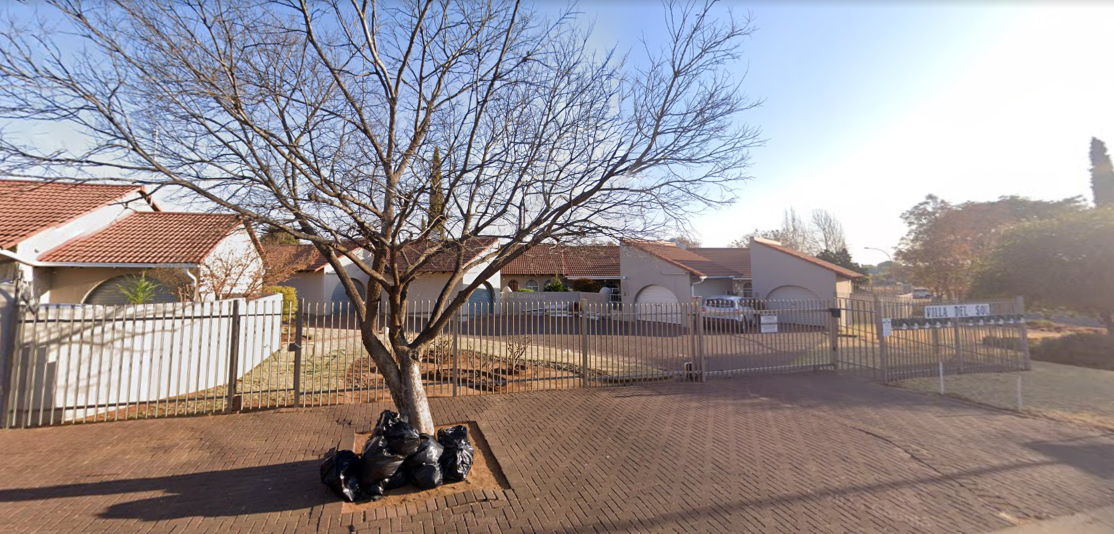
The Body Corporate of the Villa Del Sol Sectional Title Scheme has spent more than a decade disputing a water bill that it says arose from a faulty meter, while Mangaung Metropolitan Municipality continued adding the disputed amount and interest to its municipal account.
The original debt of R170 265.84 had grown to R252 597.05 by the time the dispute reached its latest stage, despite the body corporate repeatedly challenging the charges and paying its other monthly municipal bills.
The dispute dates back to around 2013, when the body corporate questioned a water account that had accumulated to approximately R170 000. It maintained that the water meter was not functioning properly, but the municipality disputed this. The dispute escalated, and the municipality disconnected the scheme’s water supply and withheld clearance certificates needed for property transfers.
The body corporate approached the High Court in Bloemfontein, which ordered the restoration of the water supply on 29 May 2014. The order was confirmed on 7 August 2014. In separate proceedings on 4 June 2015, the municipality was also compelled to issue a clearance certificate to an owner seeking to transfer property within the scheme.
Municipality continued charging disputed debt
On 21 April 2015, Mangaung instituted a claim in the Magistrates’ Court seeking payment of R170 265.84. The body corporate defended the action, disputing the validity of the amount. However, when the matter was eventually set down for hearing on 12 October 2020, the municipality failed to appear. The claim was consequently dismissed with costs at the request of the body corporate’s representative.
The municipality neither rescinded nor appealed the dismissal. Instead, it continued carrying the disputed amount on the scheme’s account and adding interest. The body corporate maintained that it had repeatedly engaged the municipality, explaining that the debt could no longer be claimed following the dismissal and, alternatively, that it had prescribed.
In opposing the latest application, the municipality argued that the dismissal did not amount to a final judgment on the merits and therefore did not prevent it from pursuing the debt. It also disputed the body’s right to raise prescription, arguing that this could only be done once fresh legal proceedings had been instituted to recover the amount.
Earlier dismissal did not settle the dispute
Acting Judge RM Sepato, in the High Court in Bloemfontein, agreed with the municipality that the 2020 dismissal did not constitute a final determination of the underlying debt dispute. The judge considered Rule 32(1) and (3) of the Magistrates’ Courts Rules, which provide that dismissal of an action following a plaintiff’s failure to appear does not prevent a subsequent action based on the same cause of action.
The body corporate therefore could not rely on the earlier dismissal as res judicata. However, this did not mean that the municipality retained an unlimited right to pursue the amount, as the separate question of prescription remained.
Judge finds debt prescribed in 2016
Applying Sections 10(1) and 12(1) of the Prescription Act 68 of 1969, Judge Sepato found that the debt had prescribed after three years. The judge reasoned that the municipality’s 2015 litigation had not interrupted prescription because the claim was dismissed and never prosecuted to finality. The municipality had also taken no further legal steps to recover the amount.
“I fully agree with the applicants’ submission that the claim has accordingly prescribed at the end of 2016,” Judge Sepato said. The municipality also argued that payments made by the body corporate from March 2017 amounted to an acknowledgement of the disputed debt. However, the body corporate maintained that these payments related to monthly services actually rendered and were not payments towards the old water charges.
Judge Sepato rejected the municipality’s argument that it could allocate payments towards the prescribed debt at its discretion, describing the position as untenable. The judge emphasised that the municipality could not use payments for current services as an acknowledgement of an entirely separate disputed amount.
The municipality had also relied on section 229 of the Constitution, which empowers municipalities to impose rates and taxes and surcharges on fees for services. While recognising the municipality’s constitutional responsibility to provide services and collect revenue, Judge Sepato said these powers did not place it above the law.
“The municipality being an organ of state is not above the law,” the judgment stated. The judge further found that the continued billing of the prescribed amount amounted to harassment and that declaratory relief was appropriate given the body’s substantial interest in stopping the municipality’s conduct.
Mangaung Metropolitan Municipality was ordered to credit the scheme’s account with R170 265.84, together with all interest charged on that amount from 21 April 2015 up to the date of the order. It must also provide an updated and corrected account within 30 days and pay the applicant’s legal costs on an attorney-and-client scale.
Get your news on the go. Click here to follow the Conviction WhatsApp channel.
