


- The Electoral Court dismissed a bid to overturn the ANC’s Eastern Cape candidate lists, finding that the relief sought would have allowed the party to miss a binding IEC deadline.
- The Western Cape High Court refused to suspend the DA’s decision to end Abdul Kader Elyas’s membership, finding that he had not shown a clear right to an interim order.
- The DA matter will still go to a full review, while the Electoral Court dismissed the ANC application without a costs order.
The courts have dismissed two separate challenges involving political party decisions and the 2026 Local Government Elections.
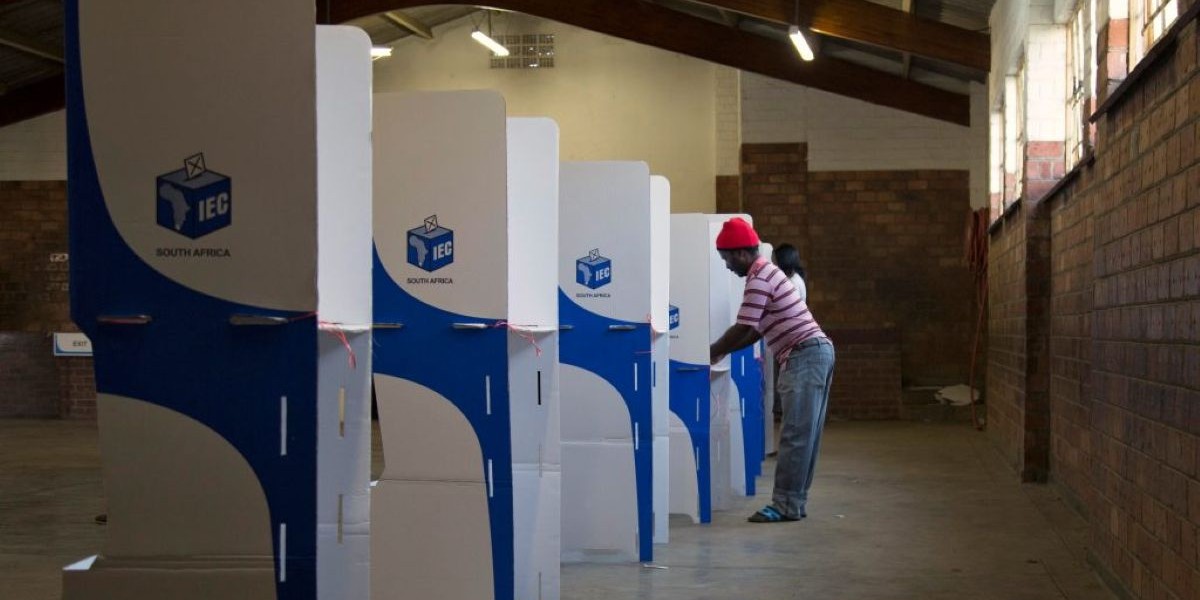
The Electoral Court and the High Court in the Western Cape handed down their judgments on 2 November 2026, just hours before voters are set to cast their ballots on 4 November, and as special voting was already underway across the country.
Electoral Court rejects bid to overturn ANC candidate lists
In the Electoral Court case, ANC members Freedom Nkululeko Jojiyasi and Masande Mambula wanted to set aside the party’s Eastern Cape candidate lists for the local government elections. They argued the ANC did not follow its constitution, internal rules, or candidate selection procedures.
They also said there were still unresolved disputes and appeals when the party submitted its lists to the Electoral Commission of South Africa (IEC). The applicants also said the Eastern Cape Provincial Executive Committee failed to publish the approved candidate lists on the party’s website, as required by the 2026 Candidate Selection Rules, Guidelines and Procedures.
These rules allow disputes to be lodged within 48 hours of publication. The ANC opposed the application and denied ignoring complaints. The party said candidate information was available on a special part of its website with restricted access to protect personal information.
In Mambula’s dispute about Ward 8 in Matatiele, the Provincial Lists Committee found serious irregularities, set aside the nomination process, and told the branch to hold its meetings again. The ANC Electoral Committee later backed this decision.
Court weighs fairness and deadlines
In a judgment by Judge LR Adams, with Acting Judge J Shongwe and Professor MR Phooko agreeing, the Electoral Court found that the relief against the IEC could not be granted. The deadline to submit party lists was 28 August 2026, and the remedy suggested by the applicants would have let the ANC submit revised lists after the deadline.
Judge Adams explained that although the IEC can change the election timetable if needed for a free and fair election, it cannot give an extension to just one political party while keeping the deadline for everyone else. That would be unfair to parties and candidates who followed the rules.
The judgment also looked at the complaints about the ANC’s internal processes. Using the Plascon-Evans approach, the applicants had to show that the ANC’s side of the story could not be believed. The court found that the alleged irregularities did not undermine the whole candidate selection process.
The complaints were about some wards in Amathole and Alfred Nzo, but six of the ANC’s eight Eastern Cape regions were not affected. The court dismissed the application without an order as to costs.
DA councillor fails to stop termination of membership
In a separate matter, Abdul Kader Elyas went to the High Court in the Western Cape asking for an interim order to suspend the DA’s decision to end his party membership while his main review application was still pending.
Elyas joined the DA in 2018 and became a proportional representation councillor in Cape Town in 2021. In 2024, he faced disciplinary charges for allegedly misrepresenting his academic qualifications, including presenting himself as a fully qualified medical doctor or actuary in applications for public representative positions and the party’s Young Leaders’ Programme.
He accepted responsibility and signed a Plea and Penalty Agreement with the party. Under the agreement, he could not stand for elected or non-elected party positions except as an ordinary public representative or constituency head.
He also had to resign from any positions covered by the sanction. The DA suspended the termination of his membership for the rest of his current term or until the 2026 local elections, whichever came later, as long as he followed the agreement.
DA’s disciplinary agreement comes under scrutiny
The DA’s Federal Legal Commission later found that his role as Ground War Lead or Manager of the Western Cape Campaign Team broke the disciplinary sanction. The party’s Federal Executive agreed with this finding on 30 September 2026, which led to his membership being terminated. The City Manager declared his council seat vacant on 6 October.
Elyas argued that his campaign duties were administrative and operational appointments, not positions he had stood for. He also said senior DA figures had asked him to take campaign roles even though they knew about the disciplinary agreement. His legal team said the party leadership was contradicting itself by using the sanction to end his membership.
But Judge CN Nziweni found that the agreement barred him from holding both elected and non-elected party positions, except for the specific exceptions. The requirement to resign from “all such” positions included appointed roles, and the campaign position was not one of the exceptions.
The judge also found that individual party officials could not change or waive a sanction adopted by the party’s Federal Executive. Their actions or correspondence could not change the meaning of the written agreement.
Judge Nziweni also rejected the argument that Elyas had shown a clear right to interim relief. The court dismissed the application and ordered Elyas to pay the respondents’ costs on Scale B, including the costs of two lawyers where used.
Get your news on the go. Click here to follow the Conviction WhatsApp channel.
