


- Independent Media must pay R366 million, and Sekunjalo Independent Media must pay R507.8 million. Default interest is capped at the principal amount for each debt.
- Judge M Francis found that the companies were bound by the settlement their former legal representatives negotiated, even though their boards had not approved it.
- The declaration does not invalidate the disputed agreements or bind Sagarmatha Technologies and Sekunjalo Investment Holdings. Their position and the remaining costs issues are still to be determined.
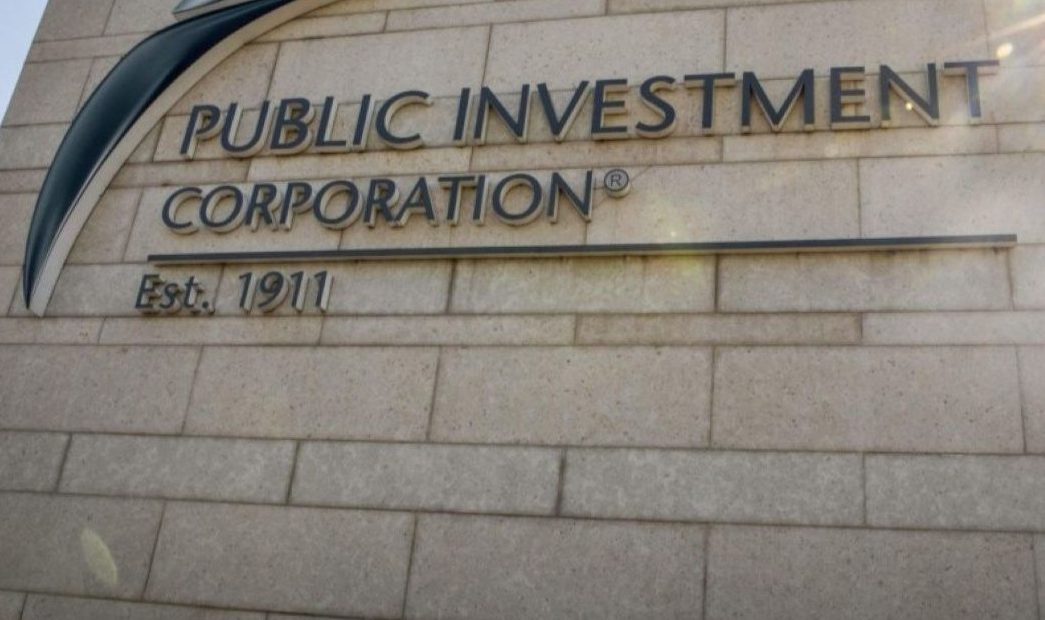
The High Court in the Western Cape has ruled that Independent Media and Sekunjalo Independent Media are bound by a compromise worth about R874 million with the Public Investment Corporation (PIC) and the Government Employees Pension Fund (GEPF).
In a judgment delivered on 26 November 2026, Judge M Francis declared that the parties had reached a binding settlement by 28 August 2026 in two consolidated actions arising from the funding of Independent Media’s 2013 acquisition.
The compromise provides for Independent Media to pay R366 million under the GEPF Shareholder Loan Agreement, while Sekunjalo Independent Media must pay R507,866,166 under the SIM Loan Agreement. Both amounts attract default interest under the respective agreements, with the interest capped at the same amount as the principal debt.
The agreement also includes provisions seeking to have certain disputed instruments declared unlawful and invalid and set aside. These include the Impugned Sagarmatha Swop Documents, a second offer letter, a share purchase agreement and a subordination agreement concluded in December 2017.
How the settlement unravelled
Settlement negotiations came to a head on 24 August 2026, the first day of a 10-day trial. The defendants’ attorneys told the PIC and GEPF’s legal representatives that they accepted the proposed draft order, apart from the costs issue involving the third and fourth defendants, Sagarmatha Technologies and Sekunjalo Investment Holdings.
The following day, senior counsel for Independent Media and Sekunjalo Independent Media filed a practice note telling the judge that the disputes had been settled and asking that the draft order be made an order of court.
However, on 30 August, the defendants objected to a provision in the draft concerning 1,000 Class A preference shares held by the GEPF in Independent Media, valued at R346,096,192. The provision did not form part of the claims in either action.
The defendants later questioned the agreed liability amounts and withdrew their agreement to the entire draft. Their former attorneys and counsel then withdrew from the matter. The PIC and GEPF approached the court for a declaration that a binding compromise had been concluded.
Independent Media and Sekunjalo Independent Media argued that their former legal representatives could negotiate settlement terms but needed approval from the companies’ boards to conclude a binding compromise. They also disputed whether the parties had agreed on the settlement’s scope and amounts. Alternatively, they argued that a reasonable mistake had affected their consent.
Why the companies were bound
Judge Francis rejected the defendants’ arguments, finding that the parties’ correspondence and conduct showed they had reached a binding agreement.
The judge found that the plaintiffs had communicated an unconditional decision to be bound by the agreement before the defendants first objected. The PIC had also established its authority to conclude the settlement, while the GEPF had given it a power of attorney authorising it to compromise litigation on its behalf.
On the question of authority, the judge distinguished between actual and ostensible authority. The judge accepted that the defendants’ attorneys might not have had actual authority to conclude the compromise without board approval. But the companies’ conduct had created the impression that their legal representatives were authorised to do so.
Both companies had entrusted the litigation to their attorneys and counsel and allowed them to negotiate a settlement. Independent Media’s board had also engaged counsel to help with the negotiations. The defendants had not told the PIC and GEPF that any agreement needed further board approval.
Judge Francis found that the plaintiffs were entitled to rely on the authority that the defendants’ conduct had apparently conferred on their legal representatives.
The judge also found that the plaintiffs had suffered prejudice by keeping the trial in abeyance in reliance on the apparent authority of the negotiating representatives. The ten-day trial allocation was ultimately lost when the defendants withdrew their agreement.
Rejecting the argument that a mistake had affected the agreed figures, the judge said: “A later wish to verify agreed figures is a change of mind, not a mistake.”
Preference shares excluded from compromise
The judge separately dealt with the provision concerning the GEPF’s 1,000 Class A preference shares in Independent Media, valued at R346,096,192.
The judge found that the provision had been included solely for the plaintiffs’ benefit and was not part of the relief sought in either action. It placed no obligation on the defendants and was unrelated to the payment, interest or setting-aside provisions.
The plaintiffs abandoned the provision on 3 September 2026. Judge Francis found that its removal did not alter the defendants’ bargain and that the remaining settlement terms could stand without it. The preference-share provision is therefore not part of the binding compromise declared by the court. The judge did not determine any separate claim concerning those shares.
Why the settlement is not yet an order
Although the judge declared the compromise binding, the court postponed deciding whether to make it an order. Judge Francis raised several issues for the parties to address. These include whether the court can make a settlement an order in the same proceedings when one party disputes that the settlement exists and opposes the order.
The court must also consider whether the proposed provisions setting aside agreements and other instruments can affect Sagarmatha and Sekunjalo Investment Holdings without their consent or an opportunity to be heard.
The judge also questioned whether the payment terms could be separated from the setting-aside provisions without changing the parties’ bargain. The court must determine whether the payment terms were negotiated as independent obligations.
The parties must also clarify the default-interest provisions in the two loan agreements, which were not before the court, and identify which plaintiff is entitled to each payment. The GEPF is the lender and the PIC acts as its agent. The judge also questioned which costs scale should apply to one of the proposed costs provisions.
The judge stressed that these concerns go to whether the compromise should be made an order, not whether it exists as a binding contract. If the parties do not address them, the court may refuse to make it an order. The PIC and GEPF could then sue on the compromise without having to prove again that Independent Media and Sekunjalo Independent Media entered into the agreement or establish its terms.
The PIC and GEPF have 15 court days to file written submissions addressing the concerns and attach the relevant default-interest provisions. The defendants may respond within 10 court days of receiving the submissions.
The matter will then be re-enrolled to determine whether the compromise, or any part of it, should be made an order of court. The court will also determine the outstanding costs issues involving Sagarmatha and Sekunjalo Investment Holdings.
The judge made it clear that the declaration determines only the rights and obligations of the PIC, GEPF, Independent Media and Sekunjalo Independent Media under the compromise. It makes no finding on the validity of the instruments referred to in the settlement and does not bind the third and fourth defendants.
Independent Media and Sekunjalo Independent Media were ordered to pay the PIC and GEPF’s costs of the application jointly and severally, including the costs of two counsel where employed, with counsel’s fees on scale C. The costs issues involving Sagarmatha and Sekunjalo Investment Holdings were postponed.
Get your news on the go. Click here to follow the Conviction WhatsApp channel.
