


- The High Court granted Rhodes University an interim interdict preventing student protest action covered by the order while the dispute over the proposed 2027 Protocol on the Payment of Student Fees continues.
- The protocol requires self-funded undergraduate students with outstanding balances to pay at least 50% of their debt before registration, while payment arrangements require monthly payments of at least R3,000.
- Rhodes asked the court to restrict interference with campus access, academic activities, staff and residences and to declare the specified conduct unlawful.
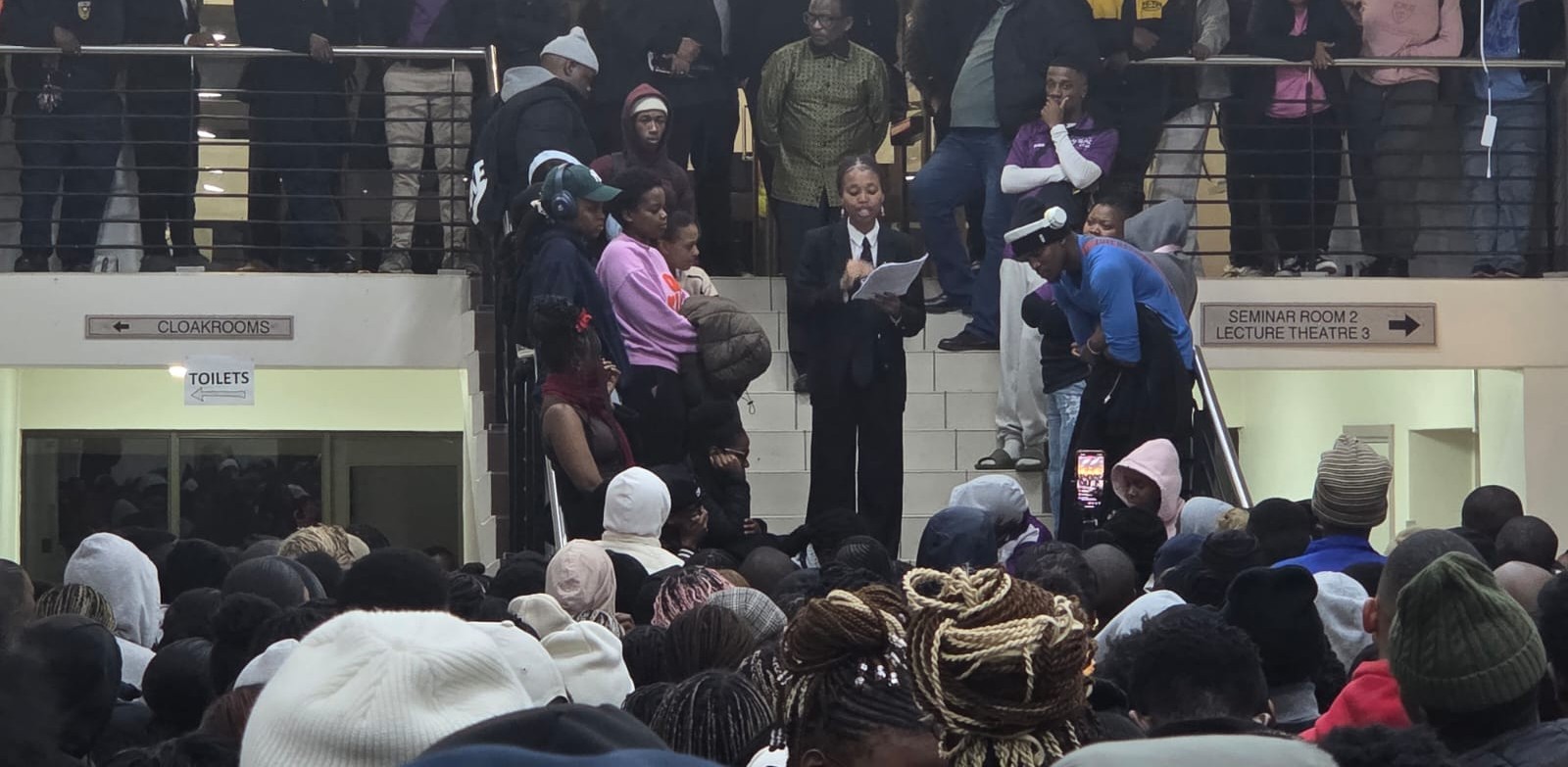
The High Court in Makhanda has granted Rhodes University an interim interdict preventing student protest action covered by the order while a dispute over the university’s proposed 2027 Protocol on the Payment of Student Fees is considered further.
The order was granted on Wednesday, 30 September 2026, following two days of SRC-led protest action during which students blocked all entrances to the campus.
The protests followed disagreement over the university’s proposed approach to outstanding student debt and the requirements students would have to meet to register and access university residences in 2027. The matter will return to court on 27 October 2026.
Protocol requires students to pay 50% of outstanding debt
The proposed 2027 protocol requires self-funded undergraduate students with outstanding balances to pay at least 50% of their debt before registration. Students entering payment arrangements must also commit to paying at least R3,000 a month towards the remaining balance.
The protocol also provides that students without confirmed NSFAS funding who have outstanding debt of more than R25,000 at registration will not be allowed to move into residence. The SRC has questioned whether students facing financial difficulties will be able to meet the requirements and has called for the financial circumstances of individual students to be considered.
The student leadership previously said an earlier 50% payment requirement had been reduced to 20% following engagement with management, but the issue resurfaced in the proposed 2027 protocol.
Rhodes University has said its council approved the protocol to address outstanding student debt and support the institution’s long-term financial sustainability. “The mandate agreed collectively by students is clear. We will protest against the proposed Student Debt Protocol peacefully. We continue to stand by that mandate,” the SRC said.
Rhodes asks High Court to stop campus disruption
Rhodes approached the High Court on an urgent basis and asked for the ordinary forms and time limits for service to be dispensed with. The university sought a rule nisi calling on the respondents to show cause why a final order should not be granted.
At the centre of the application was a request to interdict and restrain the respondents from participating in, encouraging, facilitating or promoting alleged unlawful activities on the university campus.
Rhodes specifically sought restrictions on interference with access to, egress from and free movement on campus by members of the university community, service providers and others with a lawful reason to be on the campus.
The university also asked for restrictions on threats, intimidation and other conduct interfering with the free movement, bodily integrity and constitutional rights of members of the university community.
The application sought to prevent disruption or obstruction of academic processes, including lectures, tutorials, practicals, tests, library facilities, laboratories and virtual classes.
Rhodes further sought an order preventing interference with academic, administrative and service staff while on campus. The university also wanted the ordinary functioning of its residence system protected from disruption or obstruction.
University sought declaration of unlawfulness and police enforcement
Rhodes asked the court to declare the conduct covered by those restrictions unlawful. It also sought costs against any respondent who opposed the application.
The university asked that the SAPS be authorised and directed to give effect to the terms of the order. Rhodes further sought an order that the restraint operate as a temporary interdict pending the return date.
The university proposed that the order be served on the respondents and affected students through email and WhatsApp, published on the Rhodes University webpage and Student Zone website, and displayed on campus noticeboards.
The application was brought against SRC President Thalethu Magidela as well as Keketso Dibakwane, Theta Mahasha and Simphiwe Mnyande, and people associating themselves with the alleged unlawful conduct.
Protest also disrupted essential services
The university had raised concerns about the impact of the campus shutdown on essential services. Blocked access prevented essential-service staff and water tankers from reaching the campus and residences, affecting services including meals, cleaning and water supplies.
“Rhodes University’s executive leadership is deeply concerned about the impact of the ongoing campus shutdown by students, especially the disruption to essential services needed for their health, safety, and wellbeing,” the university said. “Despite these appeals, the university has not been able to secure the access needed for these essential services to continue.”
The SRC maintained that its protest was focused on the proposed fee protocol. “Our purpose is to challenge the Student Debt Protocol and seek a meaningful response to the concerns students have raised,” the SRC said.
SRC prepares its response for October hearing
The interim interdict was granted during an urgent hearing in which the student representatives had limited time to respond to the university’s application. The students reportedly received the university’s papers on Wednesday morning and did not have an answering affidavit before the court setting out their version of the allegations. A request to postpone the matter to the next day was refused.
The SRC is expected to file an answering affidavit before the matter returns on 27 October. The interim interdict therefore does not finally determine the dispute over the 2027 fee protocol or the allegations contained in Rhodes University’s application.
The next hearing will allow the court to consider the parties’ respective positions on a fuller set of papers.
Get your news on the go. Click here to follow the Conviction WhatsApp channel.
