


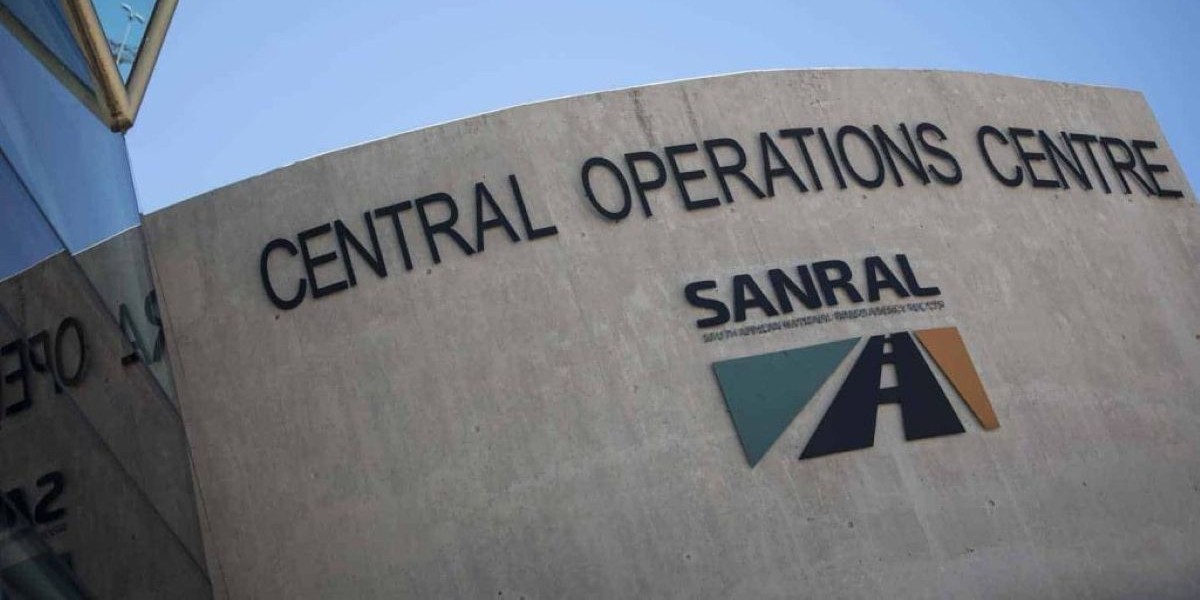
- SANRAL acknowledged that Piet Masie Mohale was trading unlawfully near the entrance to Bertie van Zyl’s head offices on the R36 near Mooketsi
- The High Court in Polokwane found that concerns about community resistance did not justify SANRAL’s failure to enforce the law
- The appeal court restricted the enforcement order to the specific location and set aside the punitive costs order against SANRAL
The South African National Roads Agency Limited (SANRAL) has been ordered to take enforcement action against a vendor trading unlawfully from a vehicle at the main turn-off to a company’s head offices near Mooketsi in Limpopo, after failing to act despite acknowledging the contravention.
The High Court in Polokwane delivered its judgment on 9 October 2026, after SANRAL appealed against an earlier order that compelled it to enforce the South African National Roads Agency Limited and National Roads Act 7 of 1998 against Piet Masie Mohale. The court partially upheld SANRAL’s appeal, with Judge MF Kganyago delivering the judgment on behalf of a Full Court.
Vendor traded at busy intersection
The dispute began when Bertie van Zyl (Pty) Ltd contacted the authorities about Mohale selling goods from a vehicle parked on the road reserve at the main turn-off to its head offices on the R36, opposite Freshlinq Mooketsi. Mohale also moved his vehicle and goods to the area near the company’s Donkerval gate on the Houtbosdorp provincial road to continue trading.
Bertie first encountered Mohale at the intersection on 6 December 2022. The company described the intersection as busy, with heavy trucks, buses, minibus taxis, private vehicles and tractors using the road.
According to Bertie, the trading attracted pedestrians crossing the road, motorists making illegal U-turns and vehicles stopping within the intersection to buy goods. Crowds gathered around the stall, distracting passing motorists, and a large light used during winter increased the risk.
The company repeatedly asked the authorities to stop the trading. In May 2023, its attorneys requested that SANRAL enforce the legislation, remove Mohale from the road reserve and assist with prosecution of alleged offences.
SANRAL feared resistance if it removed one trader
SANRAL said it served Mohale with a notice on 14 December 2022 requiring him to stop trading on the national road or within the restricted building area. It also tried to open a criminal case at Modjadjiskloof police station in January 2023, but police allegedly refused to open the case because many other vendors were trading along roads in the area.
SANRAL later involved its service provider, Propsol, and served Mohale with a final notice to vacate the area. Mohale refused to sign the notice, arguing that other traders should also receive notices.
The agency’s project liaison structures warned that removing Mohale alone could be seen as targeting one trader while leaving others. It decided not to remove his vehicle, even though it acknowledged that the trading was unlawful.
SANRAL argued that Sections 48 and 52 of the Act gave it discretion over enforcement and that previous orders against Mohale were enough to stop the unlawful trading. It also questioned whether section 48 applied because Mohale traded from a vehicle, not a permanent structure. Mohale did not oppose Bertie’s original application.
Court rejects SANRAL’s justification
The court found that SANRAL’s legal responsibilities did not allow it to avoid enforcement because of concerns about community resistance. Section 25(3) of the Act places responsibility for the national road network with SANRAL.
The judgment found that the words “structure or other thing” in Section 48 were broad enough to include a parked vehicle used as a trading stall on a restricted road reserve. SANRAL itself relied on the section when issuing its final notice to Mohale.
Judge Kganyago described SANRAL’s reasons for not acting as weak and found its decision not to intervene was irrational and unjustified.
The court also found that Bertie had met the requirements for a mandatory interdict. These include a clear right, actual or reasonably expected harm, and no other satisfactory remedy. It was found that the company did not have to wait for a traffic accident before seeking relief, especially since the dangers were ongoing and SANRAL was responsible for enforcement.
Appeal narrows enforcement order
The appeal court found the original order too broad because it could require SANRAL to prevent Mohale from trading anywhere on a national road in South Africa. The dispute involved a specific location in Limpopo, so the order was limited to that site.
SANRAL was ordered to comply with Sections 48 and 52 of the Act to prevent Mohale from trading unlawfully at the main turn-off to Bertie’s head offices on the R36, opposite Freshlinq Mooketsi. This includes laying charges for alleged contraventions and providing assistance for proper prosecution.
The court also set aside the punitive costs order against SANRAL. While the agency had not acted urgently or effectively enough, it had made some attempts to address the complaint. The appeal court found no exceptional reason to justify an attorney-and-client costs order against it.
Mohale and SANRAL were ordered to pay Bertie’s costs of the original application jointly and separately on the party-and-party Scale B. Each party must pay its own costs of the appeal.
Get your news on the go. Click here to follow the Conviction WhatsApp channel.
