


- Ahmed Mohammed Ali fled persecution in Somalia and was granted refugee status in South Africa in 2008.
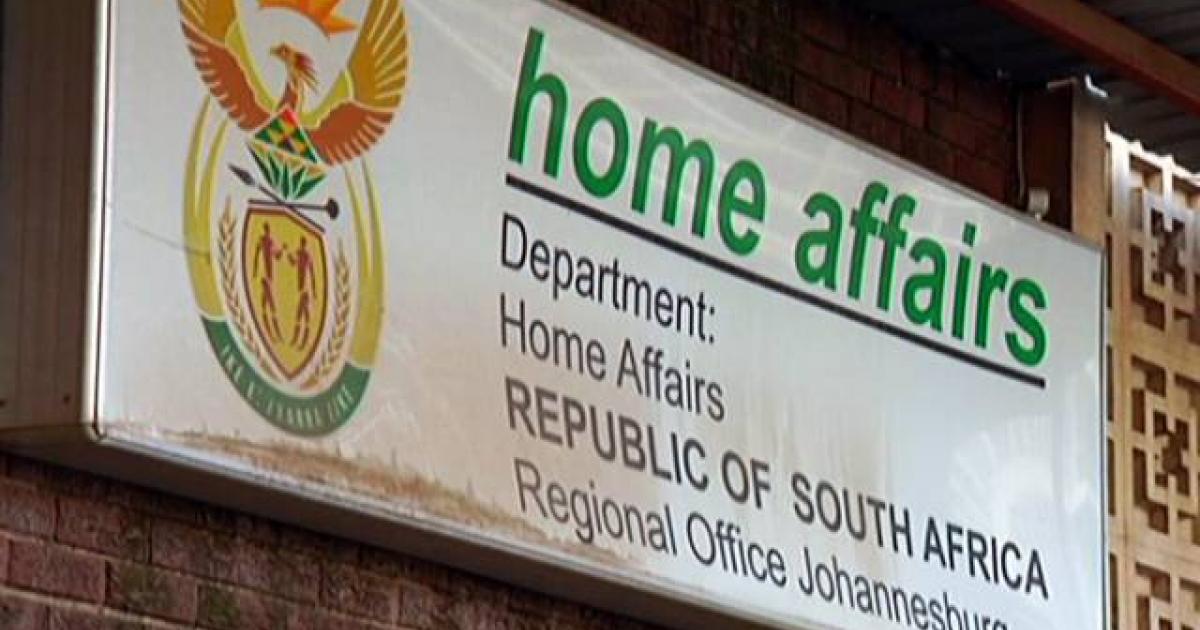
- Home Affairs withdrew his status after discovering that a fraudulent certificate was used in his permanent residence application.
- The High Court in Johannesburg dismissed his challenge and found that his return to Somalia meant he had once again relied on protection from his home country.
A Somali national who came to South Africa seeking protection from Al-Shabaab has lost his legal fight to keep his refugee status.
Judge MV Noko dismissed Ahmed Mohammed Ali’s application to overturn Home Affairs’ decision, saying that he had not challenged one of the reasons given for the withdrawal and that he had also returned to Somalia in circumstances that amounted to seeking protection there.
Fraudulent certificate leads to withdrawal proceedings
Ali arrived in South Africa in 2008 and was granted refugee status after claiming that he had fled persecution by Al-Shabaab. Several years later, he applied to be recognised as an indefinite refugee, a status that could eventually allow him to apply for permanent residence.
In 2017, he hired a man who claimed to be an immigration agent with contacts at Home Affairs. This man allegedly promised to speed up his application. Ali then obtained a certificate and used it to apply for permanent residence on 15 December 2017.
Home Affairs later found out that the certificate was fraudulent and rejected his permanent residence application on 9 July 2018. The department then started proceedings to withdraw his refugee status and told him of its intention to do so in March 2024.
During a later interview with officials, it came out that Ali had travelled to Hargeisa, Somalia, on 2 March 2017 and returned to South Africa on 15 May 2017. Home Affairs saw this trip as evidence that he had gone back to his home country and accessed its protection.
On 16 January 2026, the department decided to withdraw his refugee status for two reasons: using a fraudulent certificate and once again relying on the protection of Somalia.
Applicant says he returned to visit his sick father
Ali challenged the department’s decision in the High Court in Johannesburg, arguing that he had gone to Hargeisa to visit his seriously ill father, who later died. He said he stayed there for about three months before coming back to South Africa after the funeral.
His lawyer, Mr Malapane, argued that the visit did not mean Ali had willingly sought protection from Somalia. He said Home Affairs had not shown that his client had intentionally returned to rely on his home country’s protection.
Ali also argued that deporting him to Somalia could put him at risk of persecution and would violate the principle of non-refoulement, which protects refugees from being sent back to places where they face danger.
Although Home Affairs did not oppose the application, the court still had to decide whether the department’s decision was lawful.
Judge finds applicant failed to challenge one of the grounds
In a judgment delivered on 29 October 2026, Judge Noko found that Ali had not challenged one of the two reasons Home Affairs gave for withdrawing his refugee status. His court application focused on the finding that he had returned to Somalia and accessed its protection but did not properly challenge the separate finding that he had used a fraudulent certificate.
The judge said the court could only look at the arguments properly set out in Ali’s founding affidavit and could not rely on arguments made in earlier written representations to Home Affairs. Not challenging the finding about the fraudulent document was not enough reason to dismiss the application.
Judge Noko also looked at whether Ali’s return to Somalia was another reason to withdraw his refugee status. The Refugees Act says that travelling outside South Africa in breach of conditions attached to refugee travel documents can be seen as once again relying on the protection of your home country. The judge found that Ali’s actions fell within this rule.
Judge rejects explanation for three-month stay in Somalia
Ali relied on international refugee rules which recognise that visiting a sick or elderly parent in your home country does not always mean you have returned to seek protection. However, Judge Noko questioned why Ali had not mentioned his father’s illness when he gave written representations to Home Affairs on 8 May 2025.
He only brought up this explanation in his court papers in February 2026. The judge saw this as an afterthought and believed the explanation was introduced to bring his case under the humanitarian exception. Ali had stayed in Hargeisa for about three months, which the judge said could not be seen as just an occasional visit.
Judge Noko called the explanation “opportunistic and indefensible”. The judge also found that Ali had willingly travelled to Hargeisa and showed he was prepared to access the protection available there.
The court rejected his argument that Hargeisa was in an independent territory separate from Somalia, explaining that South Africa does not recognise Somaliland as an independent country. Judge Noko also found that sending Ali back to that part of Somalia would not violate the principle of non-refoulement because the area was considered safe.
The judge found that Home Affairs’ decision made sense based on the information the department had and that there was no sign of bias. The application was dismissed, so the withdrawal of Ali’s refugee status stands, and he now faces possible deportation to Somalia. The court did not issue a deportation order itself.
Get your news on the go. Click here to follow the Conviction WhatsApp channel.
