


- The restaurant processed about 200 service charge transactions each day at its Lynnwood Bridge location in Pretoria.
- Customers had to ask management to remove the charge, even though it was described as discretionary.
- The Tribunal declared the practice prohibited but decided not to impose the R1 million fine that the National Consumer Commission had asked for.
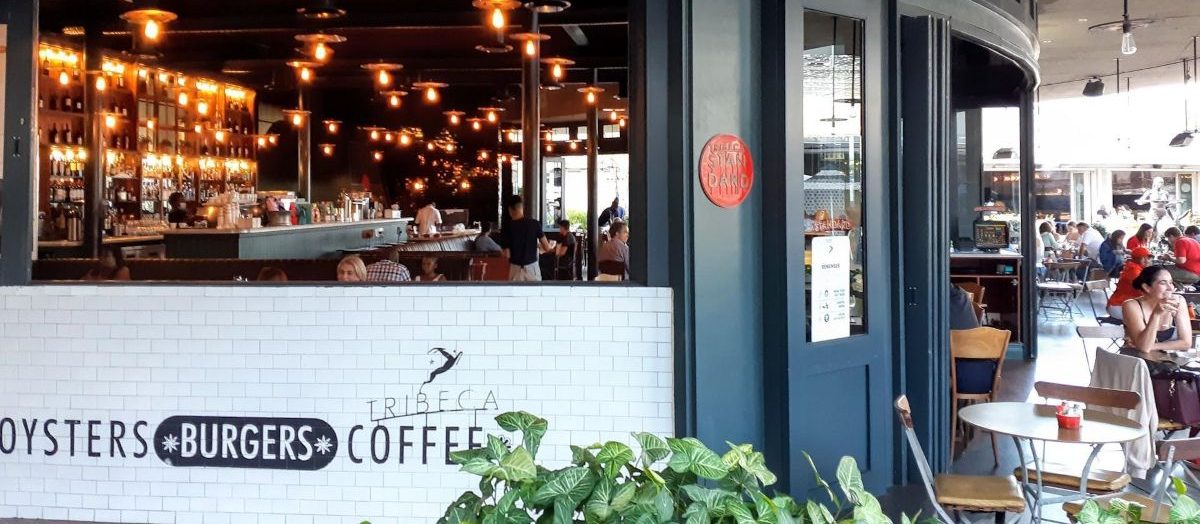
Totafin (Pty) Ltd, trading as Tribeca Standard, broke consumer protection laws by automatically adding a 10 percent service charge to customers’ bills at its Lynnwood Bridge restaurant in Pretoria from mid-2023 to March 2025.
The restaurant’s menu read, “A discretionary charge of 10 percent will be added to your bill. Please notify management if the service you received is not up to standard; management will gladly remove it from your bill.”
Even though the charge was described as discretionary, the restaurant automatically included it on customers’ bills. This meant customers had to speak to management to have it removed.
The National Consumer Commission (NCC) looked into the practice and officially notified the restaurant on 4 March 2025. During the investigation, the restaurant confirmed it processed about 200 service charge transactions daily, showing this was a regular practice, not a one-off event.
The restaurant insisted the charge was discretionary, that customers could ask for its removal, and that the collected money was given to waiters as tips. It also argued that no one had shown that management ever refused to remove the charge when asked.
On 15 April 2025, the restaurant told the NCC it had stopped automatically adding the charge and had removed any reference to a discretionary service fee from its menu. However, it still maintained that its previous practice did not break the law.
Commission sought R1 million fine
The NCC took the matter to the National Consumer Tribunal, relying on Section 73(2)(b) of the Consumer Protection Act. It alleged that the restaurant had broken several sections of the Act, including 23(6)(a), 48(1), 51(1)(a)(i) and 51(1)(b)(i).
The NCC argued that customers have the right to know the full price of their meals and any extra charges before agreeing to pay. Saying the charge was discretionary did not change the fact that it was automatically added to the bill.
It also argued that customers should not have to dispute a charge to avoid paying it. The NCC said that just because the restaurant later stopped the practice did not make its earlier conduct lawful.
The restaurant opposed the application, saying the charge was shown on its menu, could be removed if requested and was given to waiters as tips. The NCC asked the tribunal to declare the conduct prohibited and to impose a R1 million administrative fine.
Tribunal explains why the charge was unlawful
The tribunal found that Section 23(6)(a) protects people from having to pay more than the price displayed for goods or services, unless allowed by law.
It explained that consumers must be able to agree to the full price before receiving goods or services. If a restaurant charges an extra fixed amount for specific services, it must say what those services are and show their exact price.
The tribunal found that Tribeca Standard’s menu did not meet this requirement because it called the charge discretionary but did not say what extra services the money was for. The menu also did not give customers clarity about the total price before they ordered. The tribunal therefore found that the restaurant had broken Section 23(6)(a).
The tribunal also looked at consumers’ rights to good quality food and service under Sections 54 and 55 of the Consumer Protection Act. It found that making the removal of the charge depend on whether customers were happy with the service was unfair. Customers had to challenge an unclear set of services to avoid paying the extra amount.
The tribunal said that customers have a right to expect quality service and cannot be expected to negotiate a lower price after the fact if the service is poor. It concluded that the way the restaurant handled the charge was unfair and in breach of Section 48(1), along with Sections 51(1)(a)(i) and 51(1)(b)(i).
Tribunal distinguishes voluntary tips from automatic charges
The tribunal made an important distinction between a service charge that is added automatically and a truly voluntary tip paid to a waiter. It clarified that the Consumer Protection Act does not stop restaurants from handling tips for employees, as long as this is done according to the law and tax regulations.
A genuine tip must reflect the customer’s free choice and should not be automatically included in the bill, only to be removed if the customer asks. “A genuinely voluntary gratuity is one that the consumer freely chooses to pay,” the tribunal said.
It explained that a voluntary tip is not part of the total price for food or service supplied by the restaurant. It also does not replace the restaurant’s duty to provide the standard of service customers are entitled to expect.
The tribunal found that Tribeca Standard’s practice did not meet these requirements, because the charge was automatically added to customers’ bills.
No R1 million administrative fine
Although the tribunal found that the restaurant had acted unlawfully, it decided not to impose the R1 million fine that the NCC had requested. It considered several factors, including that there was no bad faith, the restaurant genuinely wanted to provide good service, and that the collected charges were actually given to the waiters as tips.
The tribunal also found no evidence that the restaurant made a profit from breaking the law. There was no proof that consumers had lost money or suffered any specific damage.
It also considered that this is an upmarket restaurant serving well-informed and privileged customers, that the restaurant cooperated with the investigation, and that it changed the menu and stopped the automatic charge.
The tribunal was satisfied that the restaurant had fixed the issue and decided that there was no need for a harsh financial penalty in these circumstances.
In its order, the tribunal declared that Totafin (Pty) Ltd, trading as Tribeca Standard, had broken Sections 23(6)(a) and 48(1), along with Sections 51(1)(a)(i) and 51(1)(b)(i), of the Consumer Protection Act. The Tribunal declared these to be prohibited acts and did not make any costs order.
The matter was heard on 10 November 2026, and the order was given on 11 November 2026. The judgment was delivered by Dr MC Peenze, with tribunal members S Hockey and S Mbhele agreeing.
Get your news on the go. Click here to follow the Conviction WhatsApp channel.
